

WHAT IS ANARCHY?
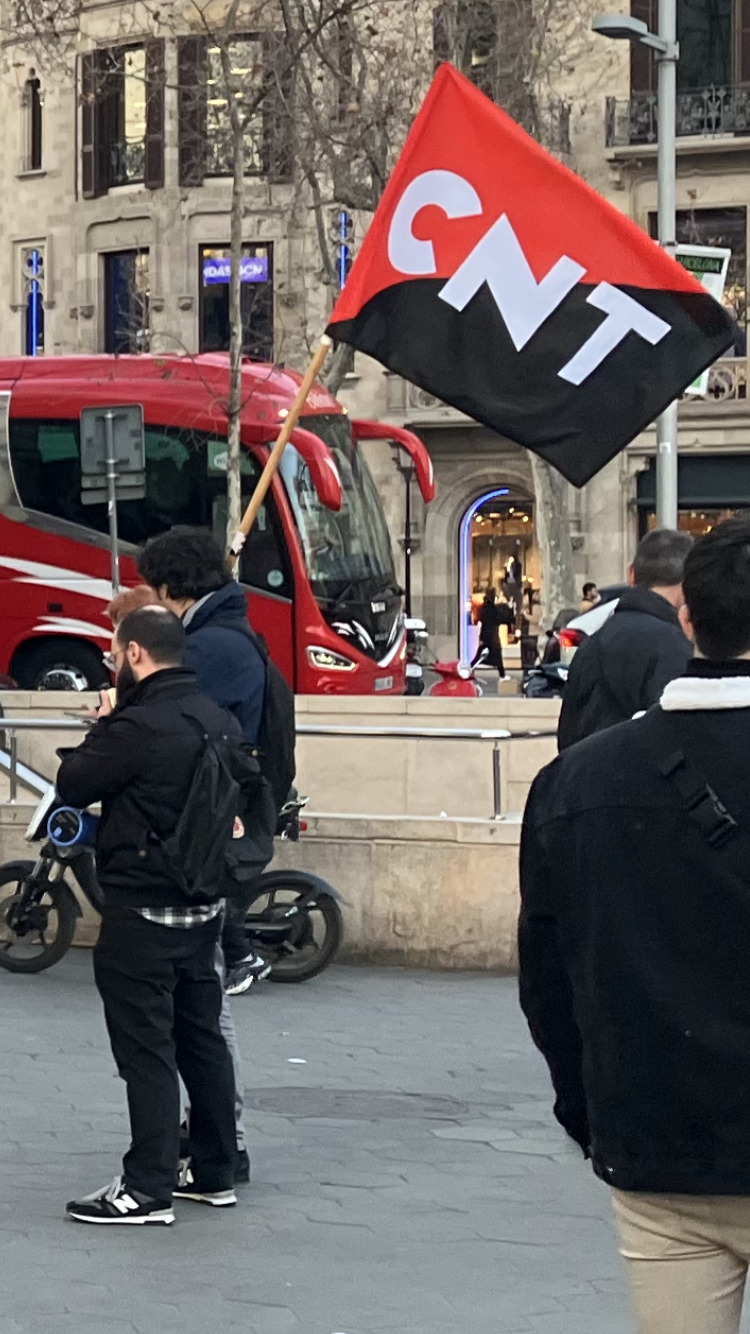
WHAT IS ANARCHY?
Anarchists believe that technology evolves, that understandings improve, that nothing is truly permanent. So politics and wider society must continually adapt accordingly.
Therefore you cannot describe the ‘end game’ of anarchy because that point is never reached.
The closest to a tangible definition of anarchy I can offer, is this,
‘Anarchy is equality. A situation where every role in every community is valued and respected.
It’s an acceptance that a healthy, functioning society relies on each individual member playing his or her part. An acknowledgment that all are essential for the greater good.
It’s a strong belief that the upper ranks of capitalism add nothing to the health and wellbeing of the whole’

Contrary to popular belief anarchists do believe in turning a profit. In larger organisations these profits should be shared out amongst all those involved in creating them.
Anarchists also believe in pooling money. To pay for infrastructure from which everyone benefits.
Anarchists do not put their faith in or believe in deities or royal birth lines. They believe in themselves. But mostly they believe in equality, fraternity and liberty.

Anarchists believe in the importance of education. Not multiple choice tests, but genuine learning. With an acknowledgment that all cultures have something to offer.
They believe history matters. That children must be taught how they are closely connected to what came before them.
If called upon, younger generations must understand what they are being asked to protect and why it is precious.
Anarchists believe citizens must be taught vigilance.That it is important to understand rights were hard to achieve and can never be taken for granted.
What previous generations spilled blood for, dark forces will, given the chance, snatch away.You need look no further than Roe v Wade
Anarchy cannot be imposed from the top down. Decisions must be collective and accepted by the majority. This is why education is so important. To ensure citizens can follow a debate and understand the conclusions reached.

WHAT ANARCHY IS NOT
Anarchy is not free love.
Although back in the day, when anarchists fleeing persecution ended up in Victorian London, they sometimes lived as unmarried couples. This behaviour allowed British newspapers to feign shock and disgust.
With the blessing of the establishment they turned on these outsiders. Exaggerated their differences. Turned them into an easily identifiable minority group to be tarnished.
The onslaught against anarchists was relentless. They got the blame for every crime in London. Although it has to be said, Latvian anarchists were responsible for the infamous Houndsditch affair and the siege of Sidney Street that followed it.
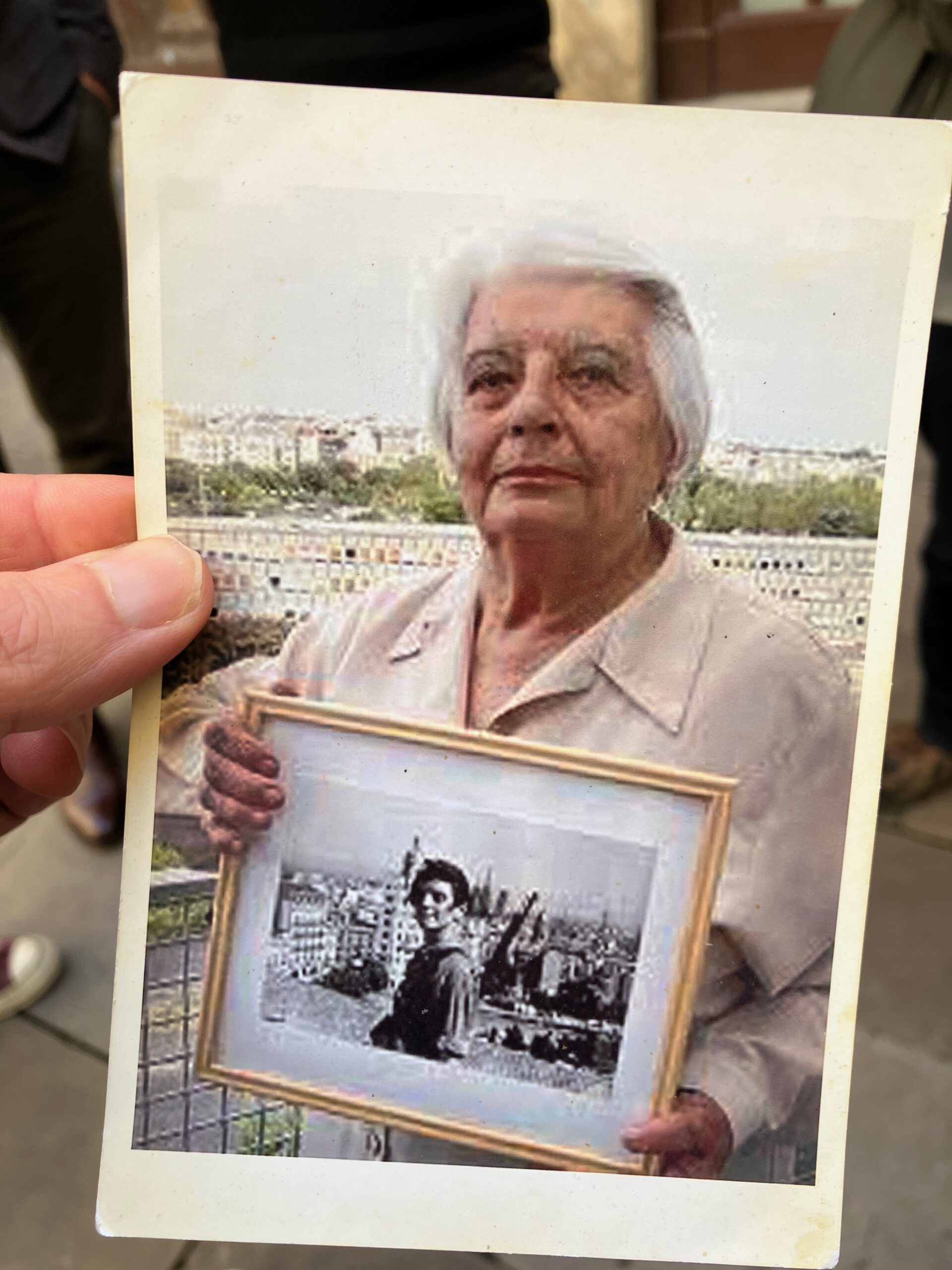

Anarchy is not throwing bombs around.
Anarchists are usually articulate, well read and able to debate their position.
They prefer persuasion to violence and alienation. You catch more flies with honey than you do with vinegar.
However if young firebrands see their friends repeatedly locked up, brutally attacked, disappeared or worse for trivial offences, tempers can fray.
When the cause you passionately believe in is dismissed out of hand or ridiculed at every turn. When it feels as though dark forces conspire to keep you down, eventually a symbolic building might well burst into flames. Just ask the Suffragettes.
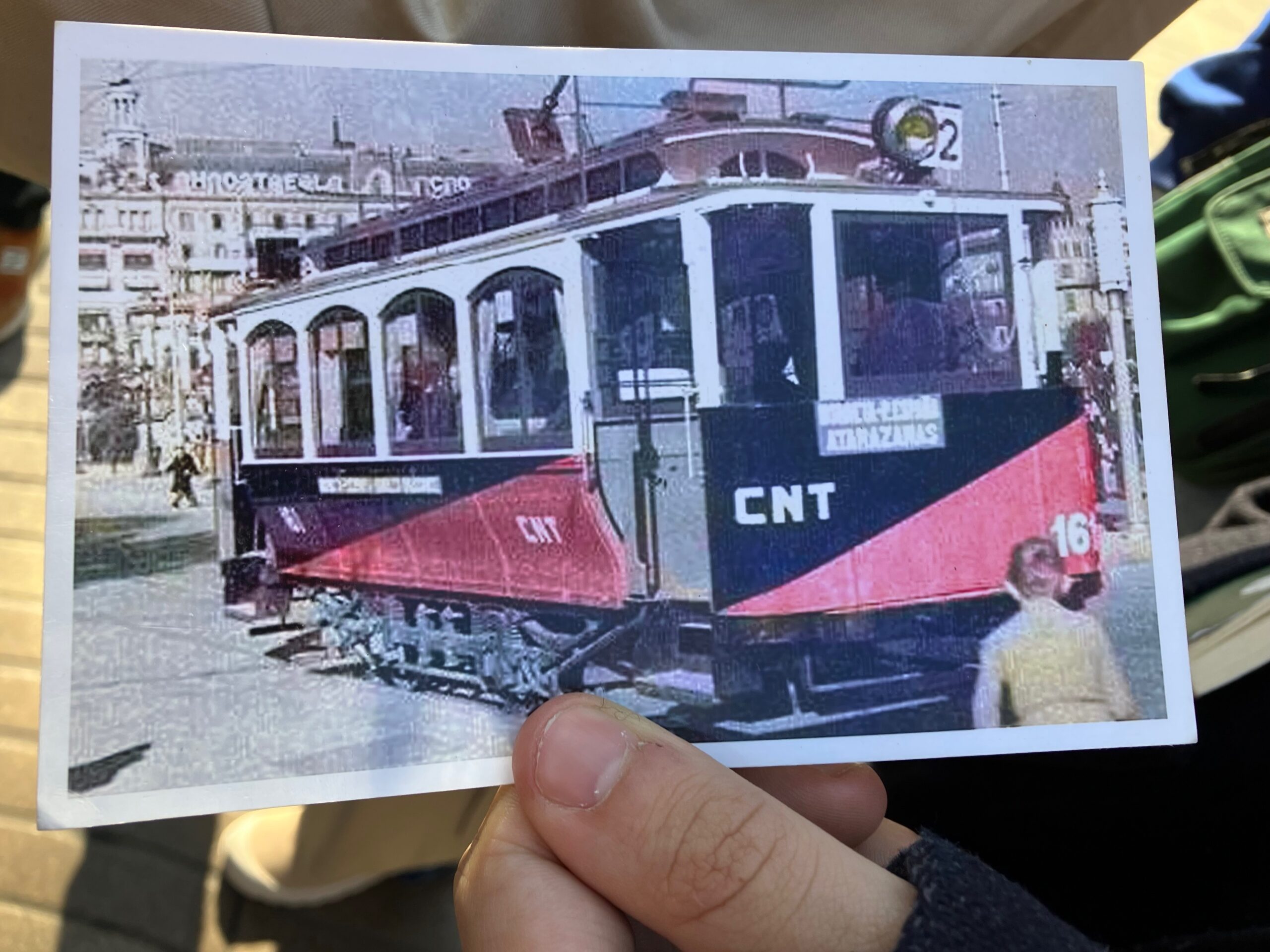

Anarchy is not expropriating funds from banks.
Anarchism (then known as communism) was a well-established way of life before the railways changed everything. It was practiced by African and American tribes, in most countries across Europe and right throughout Britain.
It was communal. People mattered more than profits. Everyone was comfortable with it. They knew their place and they knew their neighbours. There was time in your day to stop and smell the roses. Greed and selfishness were not traits to be admired. It could easily be adapted for the new urban living.
Keep in mind that the turn of the 19th/20thcentury was a worrying time for capitalists. Their dominance was far from certain.
The French Revolution was fresh in the mind. Karl Marx had recently published his manifesto. Socialism was a rip roaring success across large swathes of Europe. The workers were on the rise and everyone knew it.
But the radical, young hotheads pushing forward this particular system would need another name. Marx had nicked ‘Communism’ for his new political party.
In 1864 a meeting was held in London, at the time the most liberal city in Europe. Delegates came from as far afield as the USA. It was decided they would call themselves ‘anarcho-communists’.
Obviously that’s too much of a mouthful and would eventually be shortened.
To capitalists they were a threat, whatever they called themselves.
They would have to be ‘othered’ again.
Once more the lies and innuendos started. Inevitably this led to persecution and arrests.
The capitalists had the money you see, and money talks.
In the early 1900s there was a Spanish anarcho-syndicalist named Buenaventura Durutti who was comfortable robbing banks to finance the revolution. But those were different times. Durutti himself later recanted such fund raising methods. Not that this was ever reported. It suited the ruling classes for the public to associate anarchism with criminality.
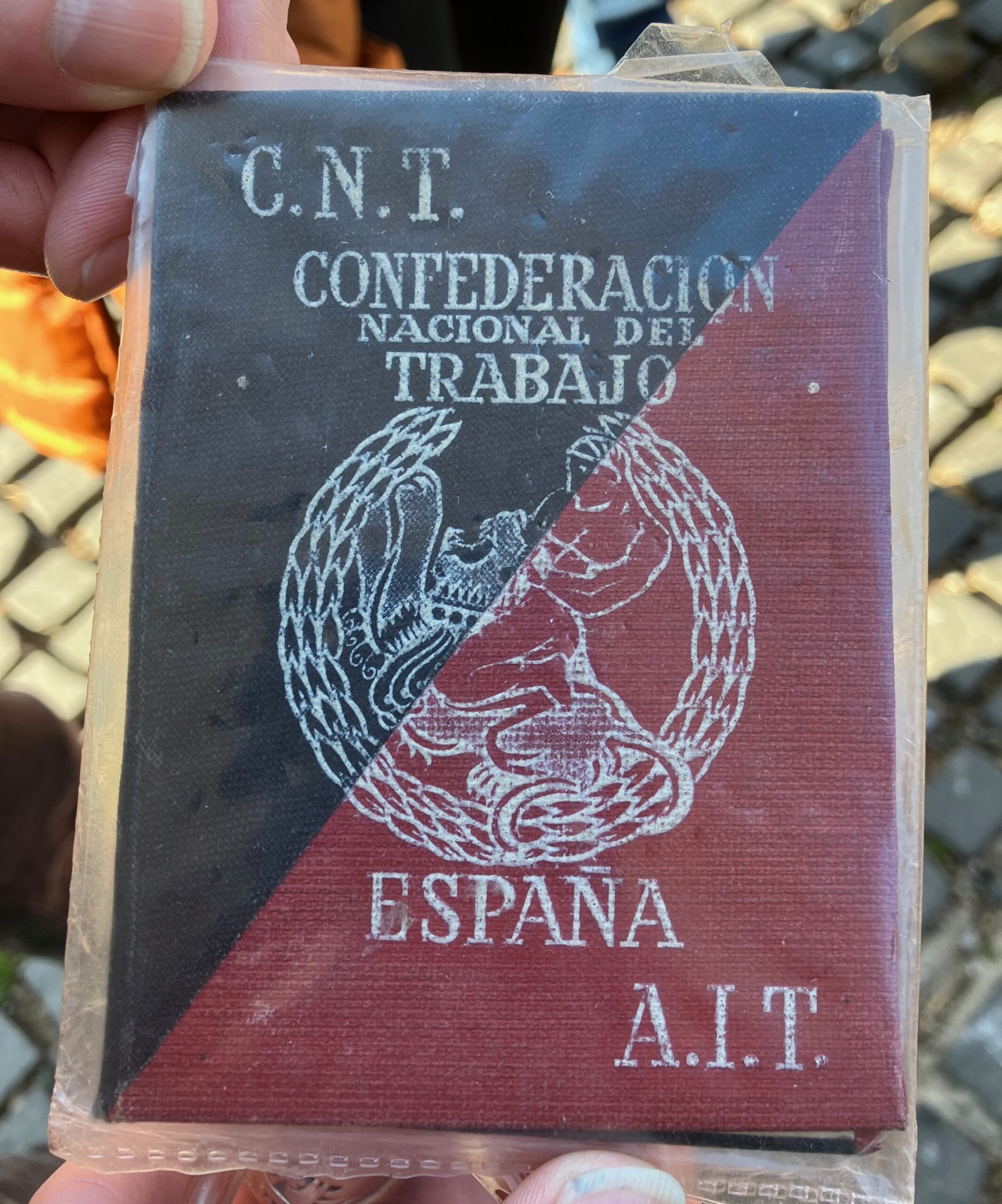
Can anarchy make a comeback?
Anarchy never went away. As the saying goes ‘You can’t kill an idea’
Were it to dominate would it be any better than what we have?
If you’ve ever been to Glastonbury or any of the big festivals, or saw how the residents of Grenfell Tower pulled together in the aftermath of the fire you’ve had a little taste of what’s possible.
In his book ‘Homage to Catalonia’ George Orwell describes Barcelona in 1936 when the anarchists were in charge. He says it was ‘how life should be’. Once back in London Orwell was friends with Vernon Richards at Freedom, the anarchist bookshop until he died.
Who knows what the future will bring? That’s down to the graduates coming out of UCLA, LSE, Columbia & Cambridge. It’s up to BLM, Just Stop Oil, Antifa and XR.
Ian Parson May’24

If you liked that you’ll love ‘The Killswitch’ by Ian Parson
Available@ Amazon & all usual retailers
On Audible and on Kindle

Recent Comments